PlanGraphix Studio

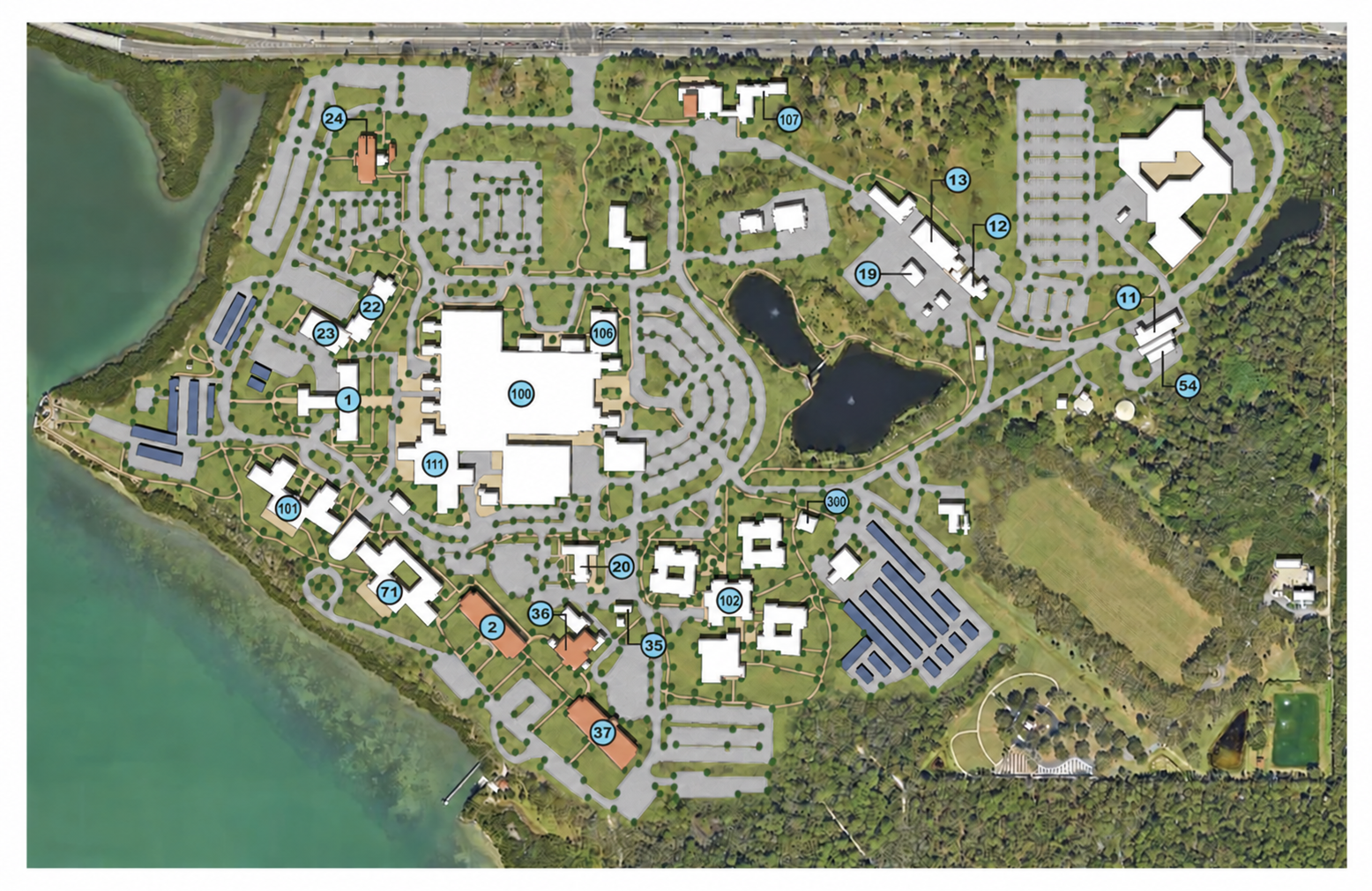
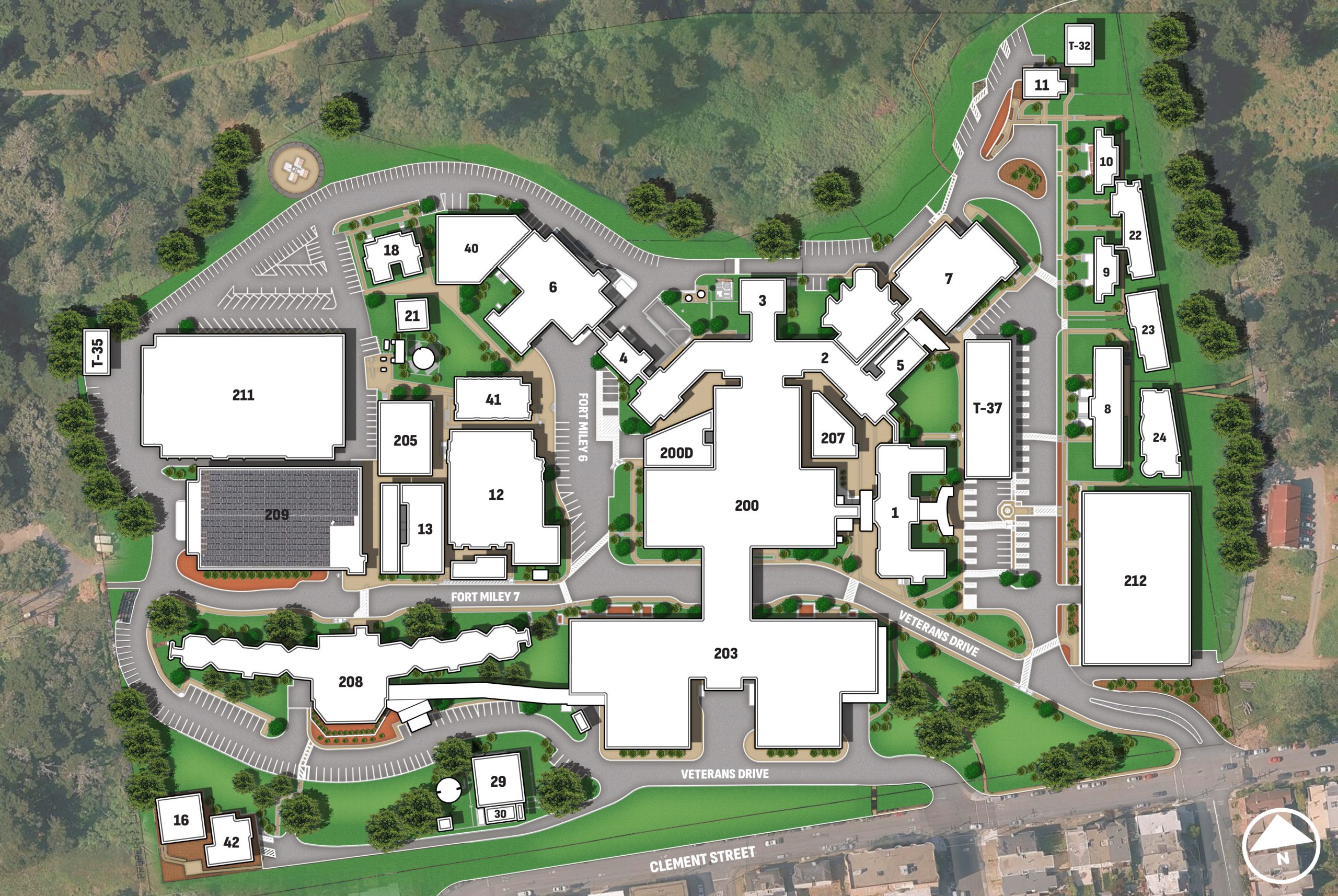
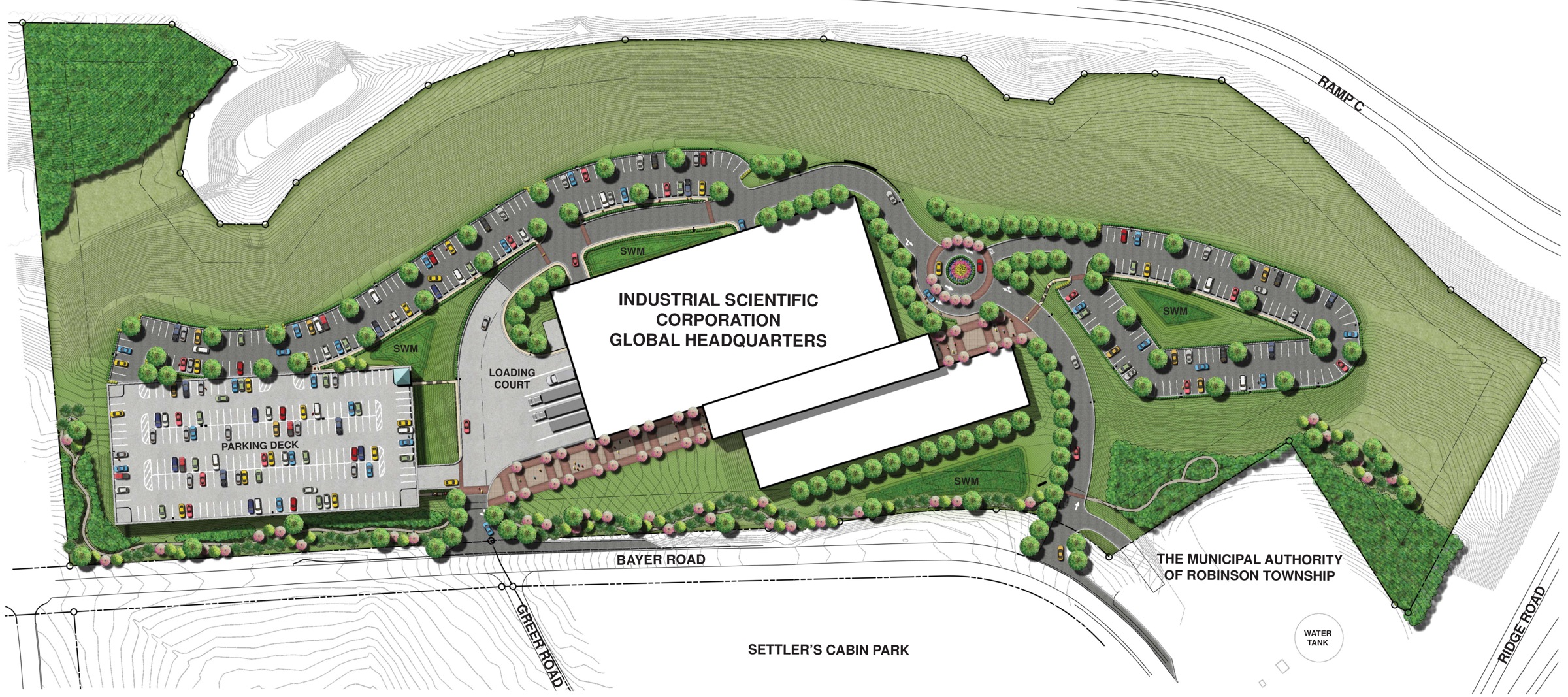
Rendered campus master plan
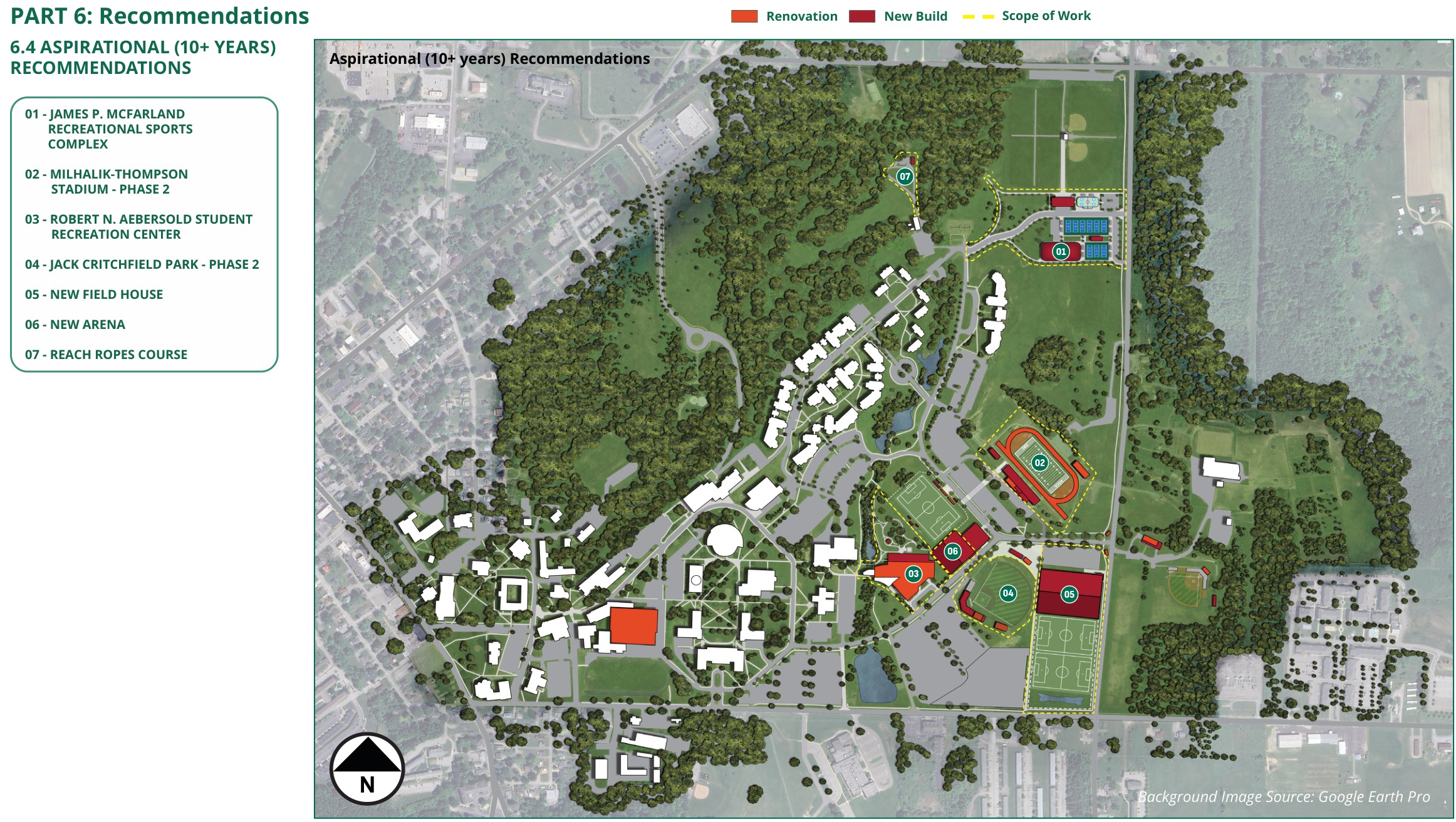
Illustrative Master PlanningRendered campus master plan

PROCESS & DELIVERABLES

From your starting materials to a clear presentation.

1

Discuss the project

Share your audience, project stage, intended use, and deadline. We identify the graphics that will help tell your story.

2

Define the scope

Establish the graphic list, starting information, output formats, review milestones, revision allowance, fee, and schedule.

3

Create & review graphics

Review draft graphics and provide coordinated feedback so the visuals communicate the information that matters.

4

Deliver final graphics

Receive the agreed files for your report, presentation, proposal, or public meeting.

What you can bring

CAD drawings, PDFs, sketches, aerial imagery, existing plans, and written concepts are useful starting points. If your information is incomplete, share what you have so we can identify what is needed before defining the scope.

What we can prepare

Site plan renderings, master plan illustrations, planning diagrams and overlays, and public-engagement graphics based on your team’s plans and project information. Final image or PDF formats and print dimensions are agreed for the intended use; discuss editable-file requirements when requesting an estimate.

Before we begin

How do I get an estimate?

Send a short brief, reference materials, the number of graphics needed, intended use, and target deadline. Scope, complexity, starting information, and review requirements help define a project-specific estimate.

How is turnaround determined?

The schedule depends on scope, available information, review milestones, and current availability. Include any meeting or submission date in your inquiry so timing can be discussed before work begins.

How are revisions handled?

The scope establishes review rounds and the revision allowance. Changes to the project direction or deliverables can then be discussed against that agreed scope.

Can you work alongside our project team?

Yes. PlanGraphix Studio supports architecture and engineering firms, educational institutions, healthcare organizations, municipalities, and private developers with focused graphics or coordinated visual support.

Planning Graphics Studio

Transform Technical Plans into Compelling Visuals

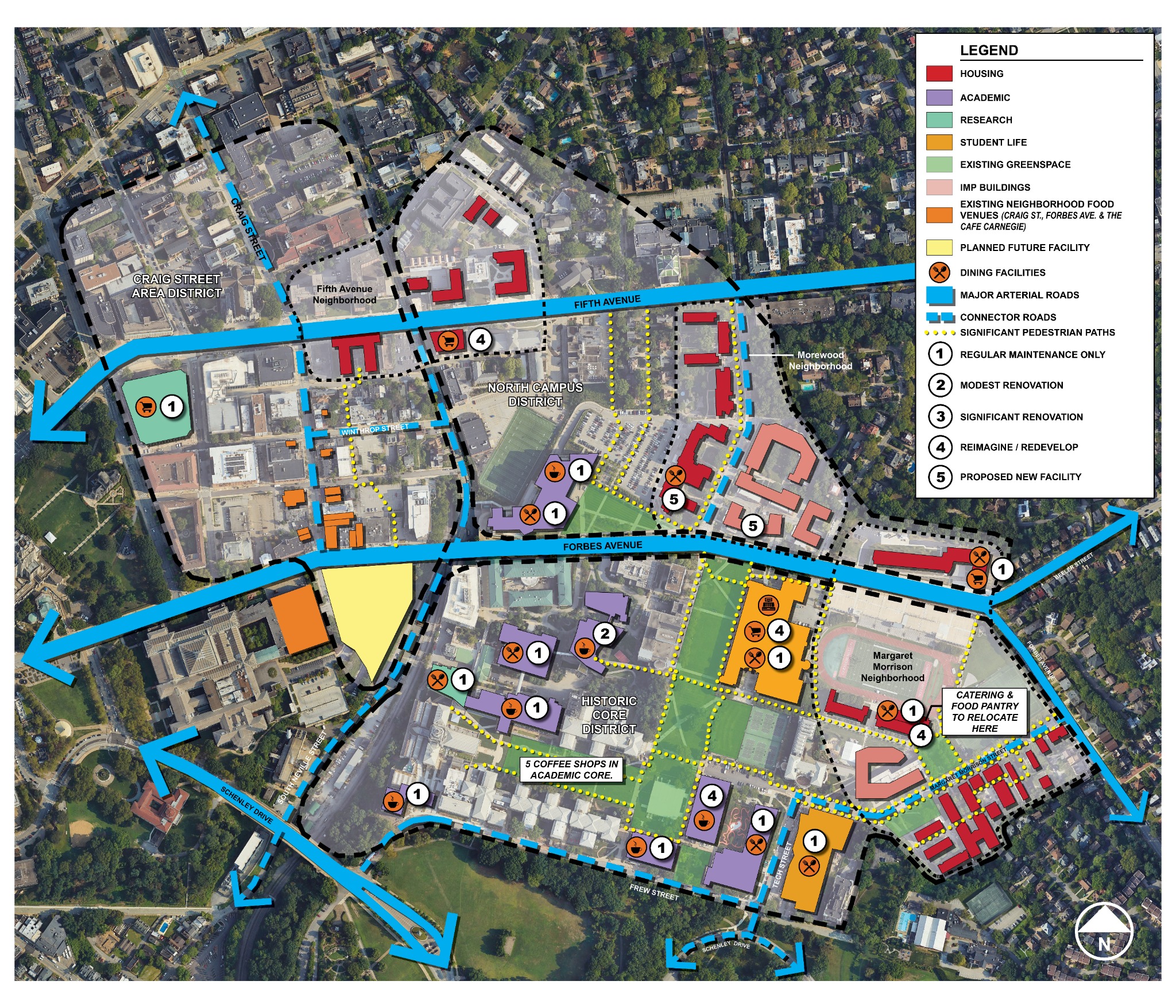
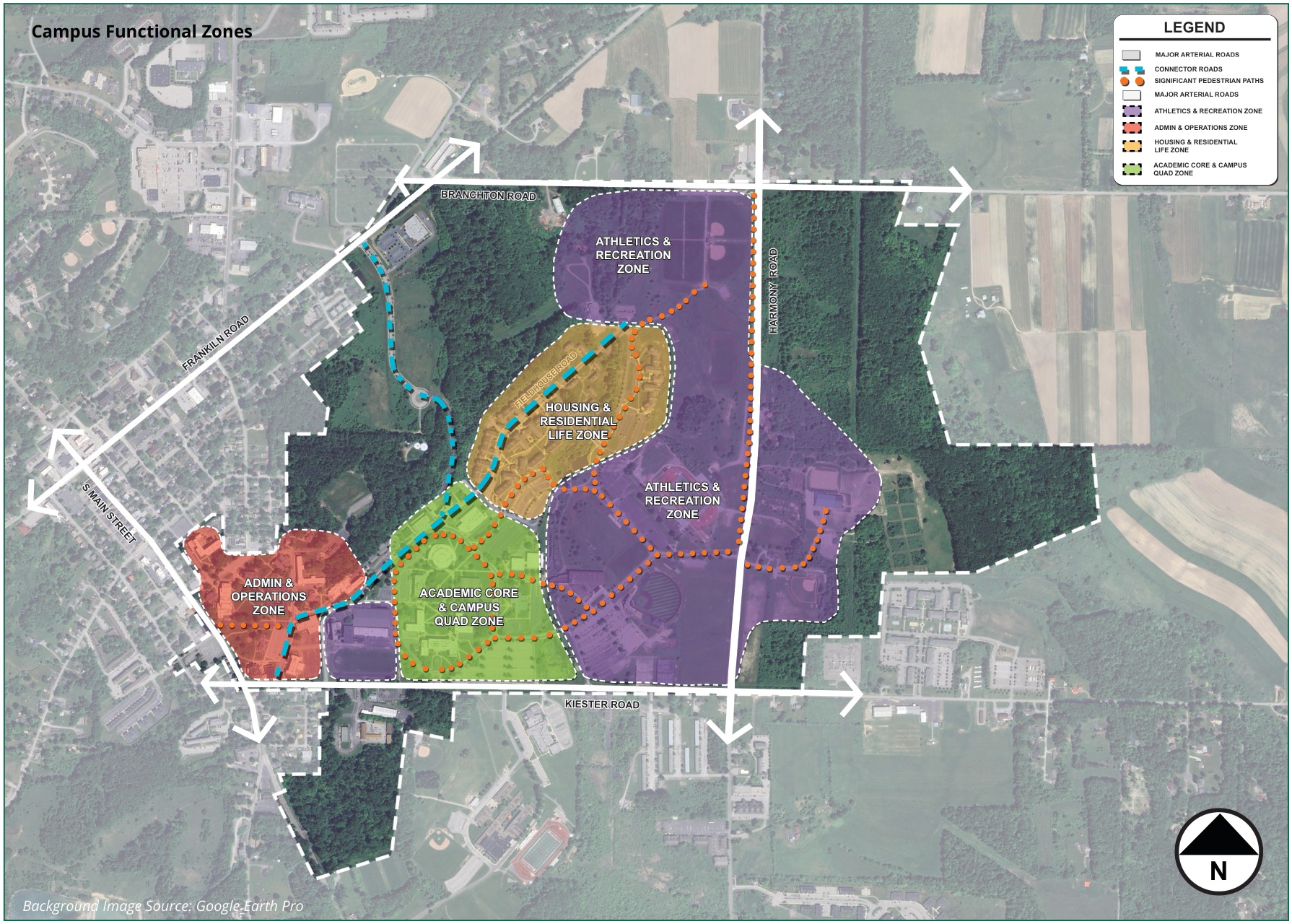
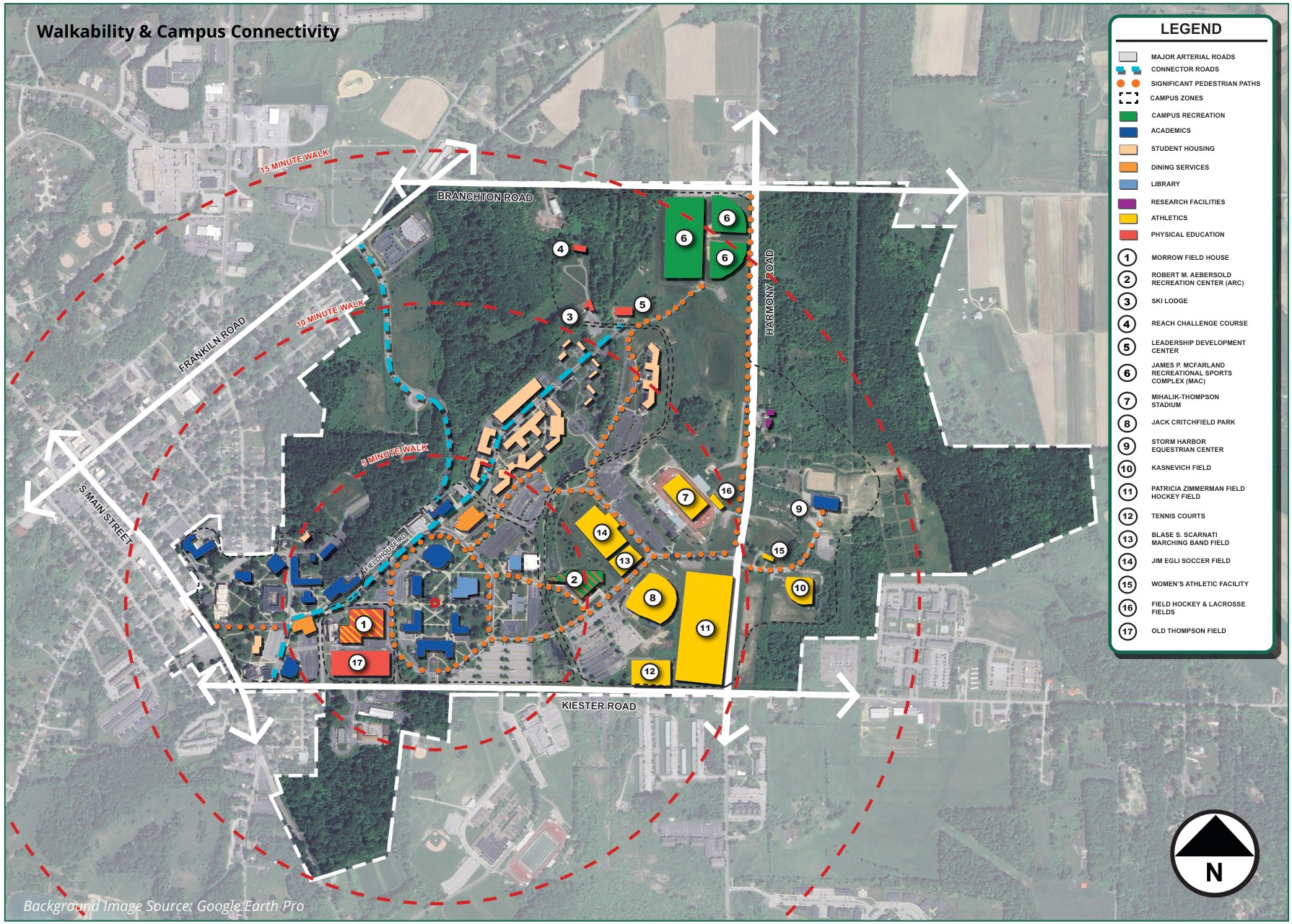
High-impact illustrative site plans, thematic mapping, and presentation graphics crafted from your CAD and GIS data. Built by planners, for planners—with your hearing and RFP deadlines in mind.

Who we work with
Architecture and engineering firms, educational institutions, healthcare organizations, municipalities, and private developers.

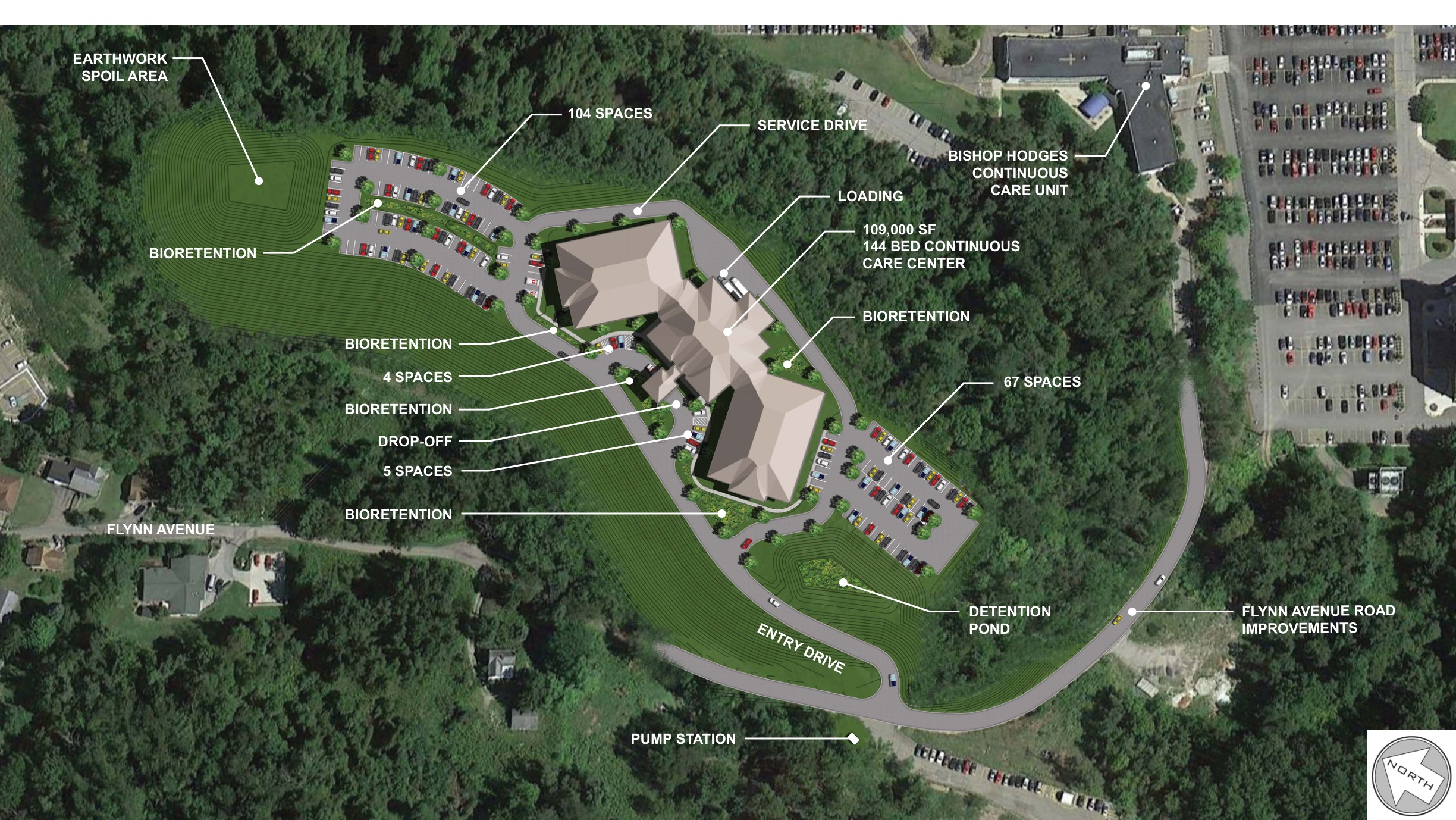
Illustrative campus master plan showing buildings, circulation, landscape and surrounding context.
Bring your plans into focus.
Turn technical drawings and early concepts into illustrations that make buildings, landscape, circulation, and open space easy to understand. Our graphics help your audience see how a place fits together—for presentations, reports, proposals, and public meetings.

About Us

Planning experience. Graphic clarity.

Brian K. Shaffer | Founder

Brian K. Shaffer is the founder of PlanGraphix Studio, bringing more than 26 years of experience in land planning, landscape design, project management, and visual communication. His work spans community revitalization, parks, healthcare, commercial development, and large-scale master plans in the United States and internationally. Brian combines practical planning knowledge with clear, compelling graphics to help clients explain complex ideas, compare options, and communicate a project’s potential.

Services

Visual support from concept to presentation.

SP
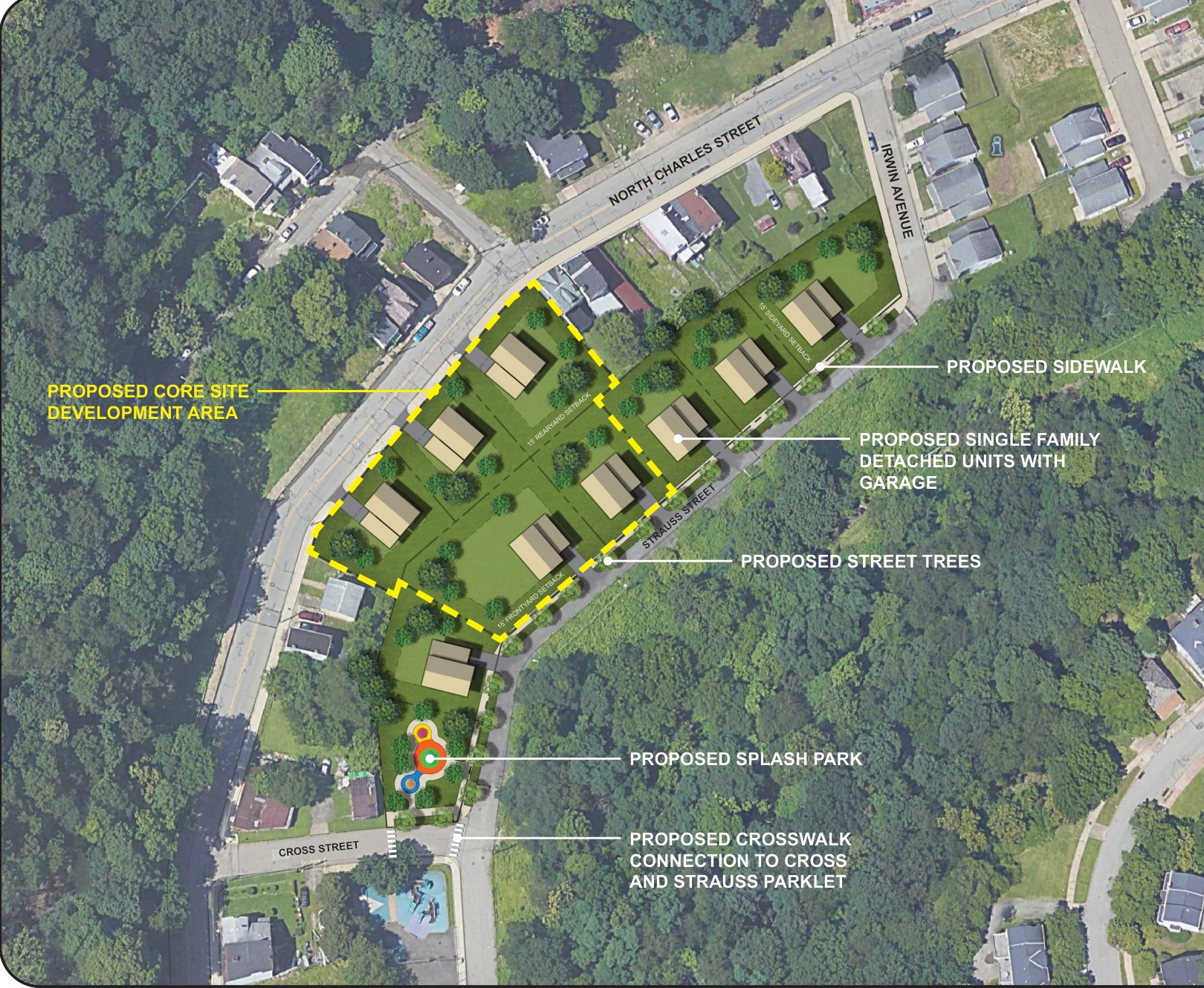
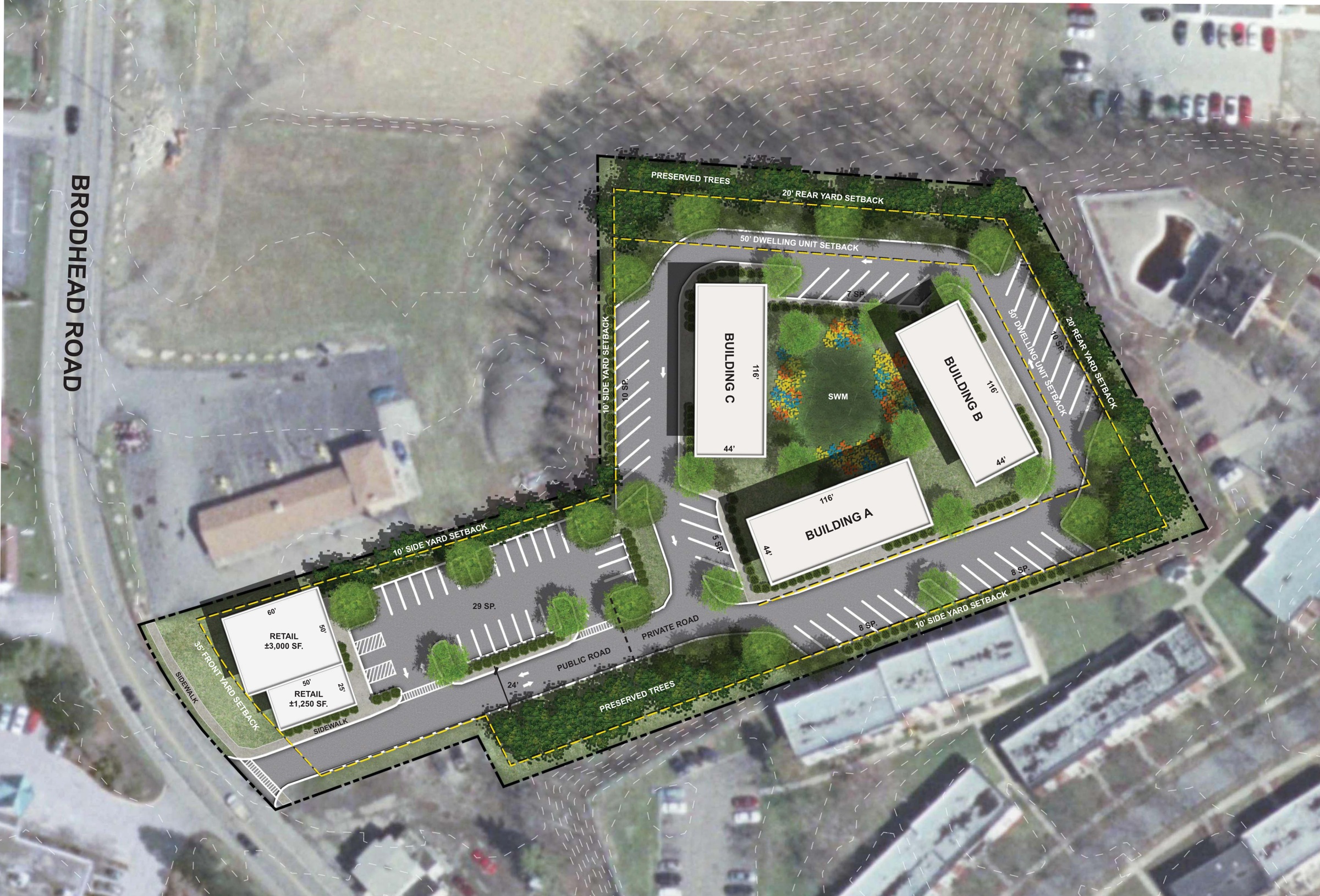
Illustrative Site Plans

Boardroom-ready site plans that sell your vision.

Transform complex 2D civil CAD linework and engineering layouts into vibrant, rendered site plans. We layer landscape canopies, paving textures, building shadows, and circulation flows so planning boards and public audiences can understand your vision.

PD
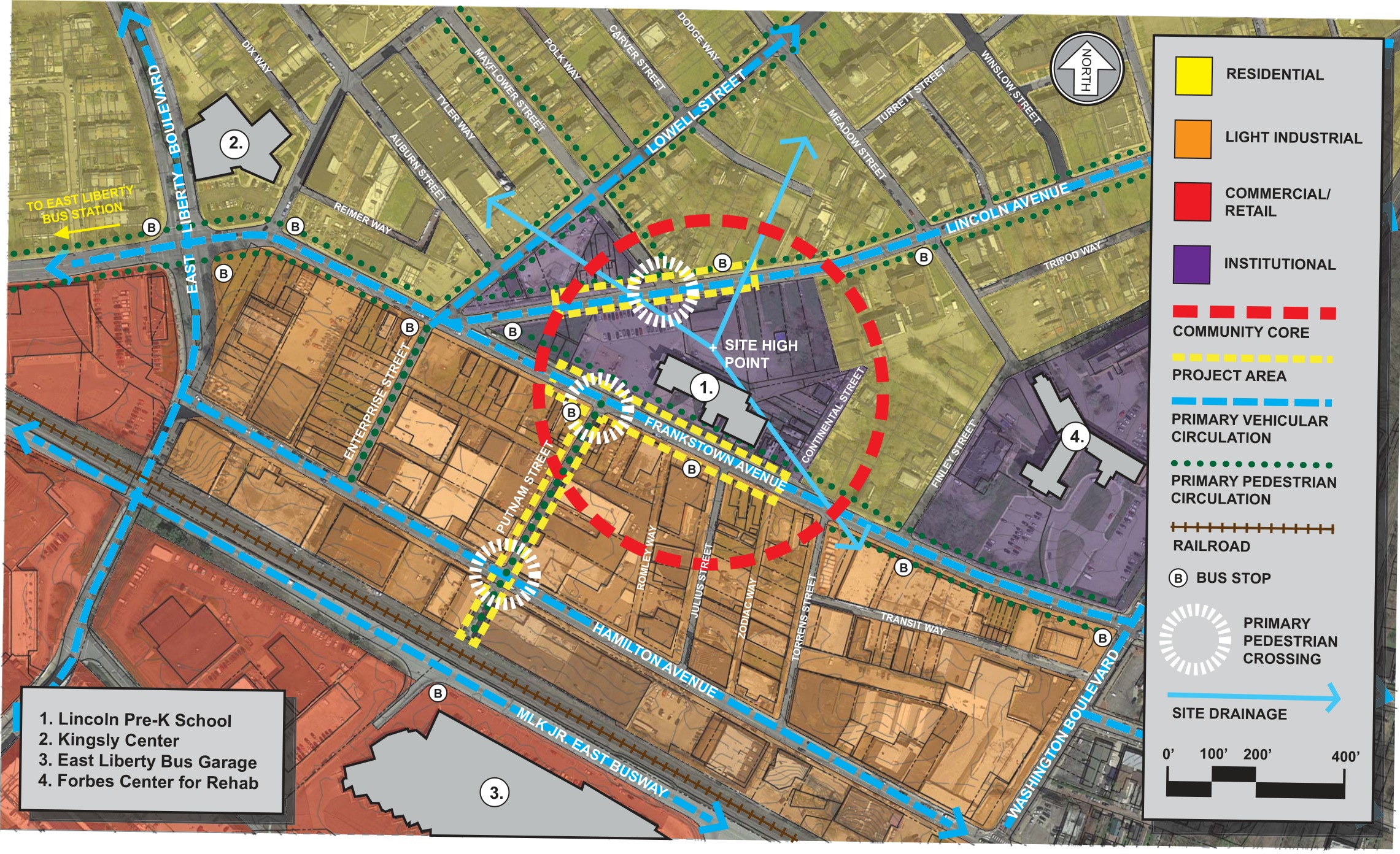
Planning Diagrams & Overlays

Clarify complex policy, zoning, and urban systems.

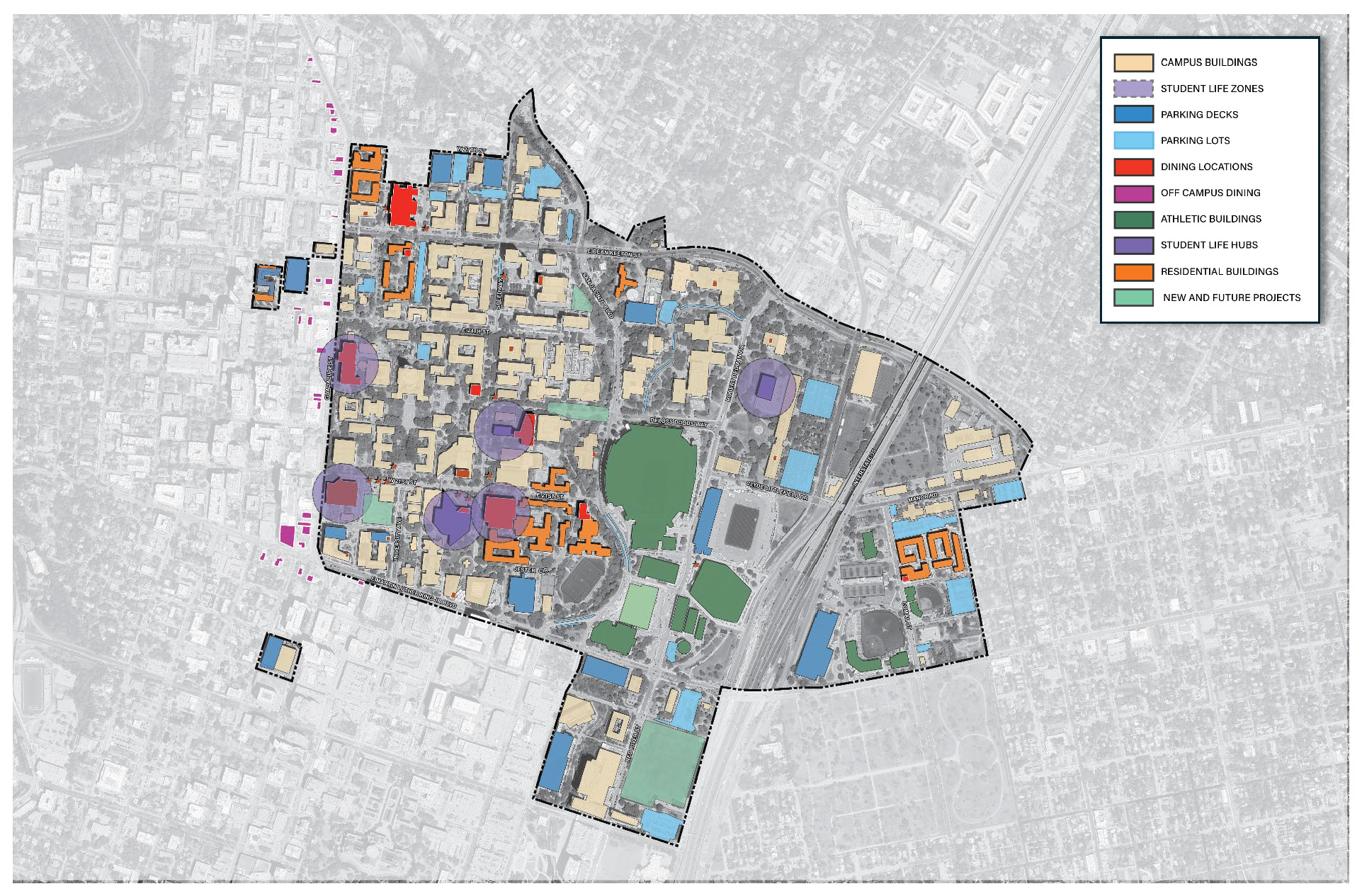
Distill regulatory frameworks and site dynamics into clean, intuitive analytical diagrams. From land-use intensity overlays and zoning transition sections to multimodal transit corridors, we make your planning data legible at a glance.

MG
Map Graphics & GIS Visualizations

Replace default GIS maps with publication-quality cartography.

Turn shapefiles and raw geodata into refined thematic maps for comprehensive plans, environmental assessments, and regional reports. We balance cartographic rigor with sharp graphic styling to communicate spatial context effectively.

PE
Public Engagement Graphics

Support public dialogue with accessible, persuasive displays.

Designed for open houses, council hearings, and community workshops. We produce oversized display boards, infographic posters, and workshop handouts that demystify technical proposals and support constructive community dialogue.

MP
Master Plan Illustratives

Big-picture visuals for large-scale development visions.

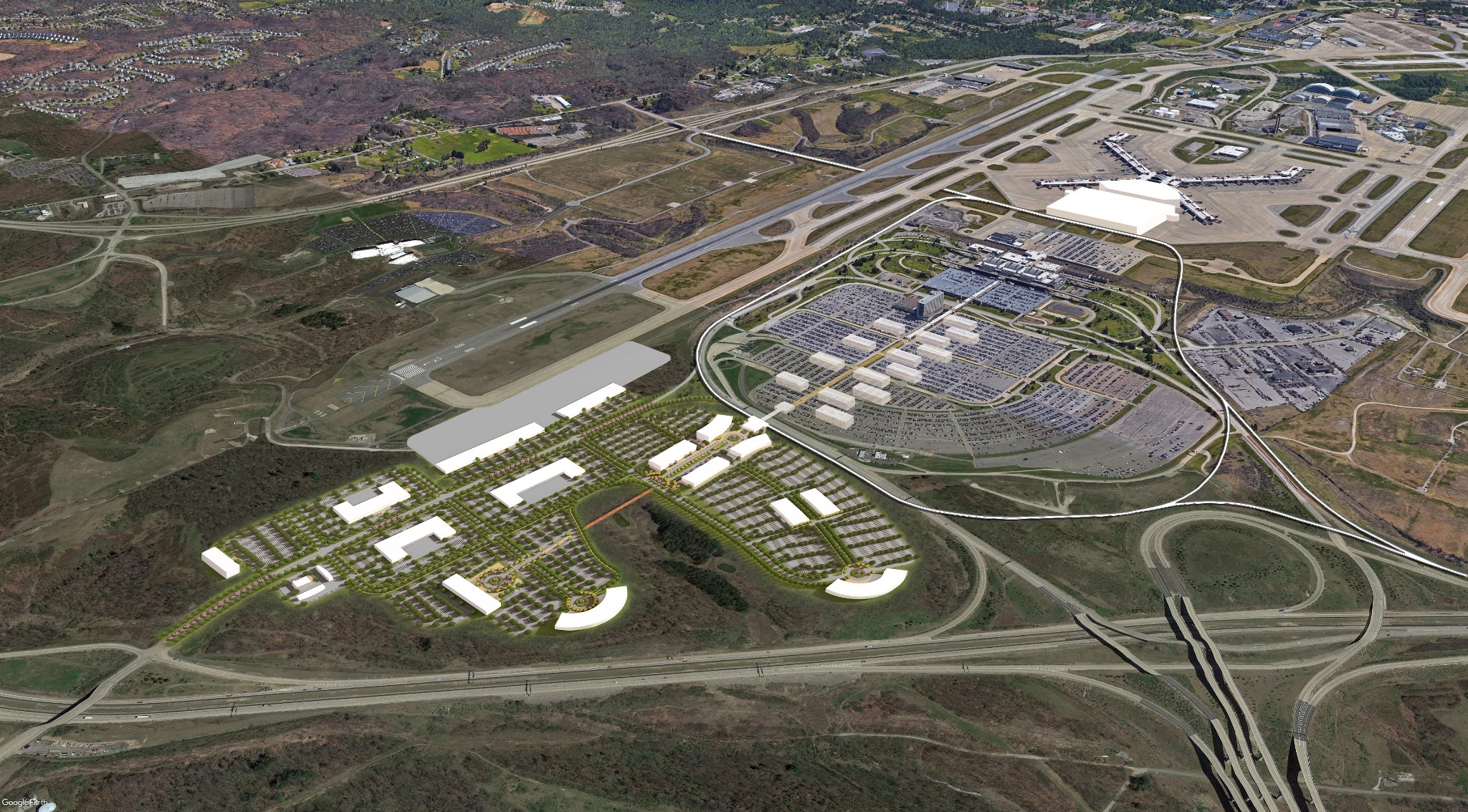
Visual narratives for campus plans, downtown revitalization corridors, and mixed-use district frameworks. We establish a unified graphic identity across regional contexts, phasing diagrams, and bird’s-eye illustrative plans, based on your team’s planning and design direction.

CG
Custom Graphic Packages

Coordinated design collateral for proposals and submittals.

Graphic suites tailored to your firm’s project scope. From competitive RFP visual assets and executive summary covers to municipal report layouts, we deliver branded graphics packaged to your agreed file and print specifications.

Contact

Have a project or idea? Let's talk.

Serving planning, architecture, engineering, and development teams nationwide.

Tell us about your project, audience, deliverables, and deadline. Mention any base plans, sketches, PDFs, or reference graphics available.

How it works

  1. 1Share materials
  2. 2Define scope
  3. 3Review graphics
  4. 4Receive final files

contact@plangraphixstudio.com

Name
Tell us the project location, audience, graphics needed and target deadline. Include a link to reference plans, sketches or a shared folder if available. Inquiry details are used to review your project and respond.
City and state, or region if the project covers multiple locations.